Top Dermatologist: “In 20 Years Of Practice I Have Never Seen Thin, Bruising Skin Rebuild This Fast.”

It usually starts the same way.
You look down at your arm and there’s a bruise you don’t remember getting.
Not a real injury. You didn’t fall. You didn’t hit anything hard. Maybe you carried a bag of groceries. Maybe you brushed past the corner of a table. Maybe you just don’t know.
And there it is anyway. Dark. Spread out. The kind that takes two or three weeks to fade — and by the time it does, there are two more somewhere else. Your arms. The backs of your hands. Your legs from the edge of the coffee table.
So you start covering up. You wear long sleeves in summer. You stop wearing the dress you used to love. When someone notices and asks “what happened to your arm?” you wave it off. Oh, I’m just clumsy. I bruise easily now. It’s just my age.
You’ve said it so many times you’ve started to believe it.
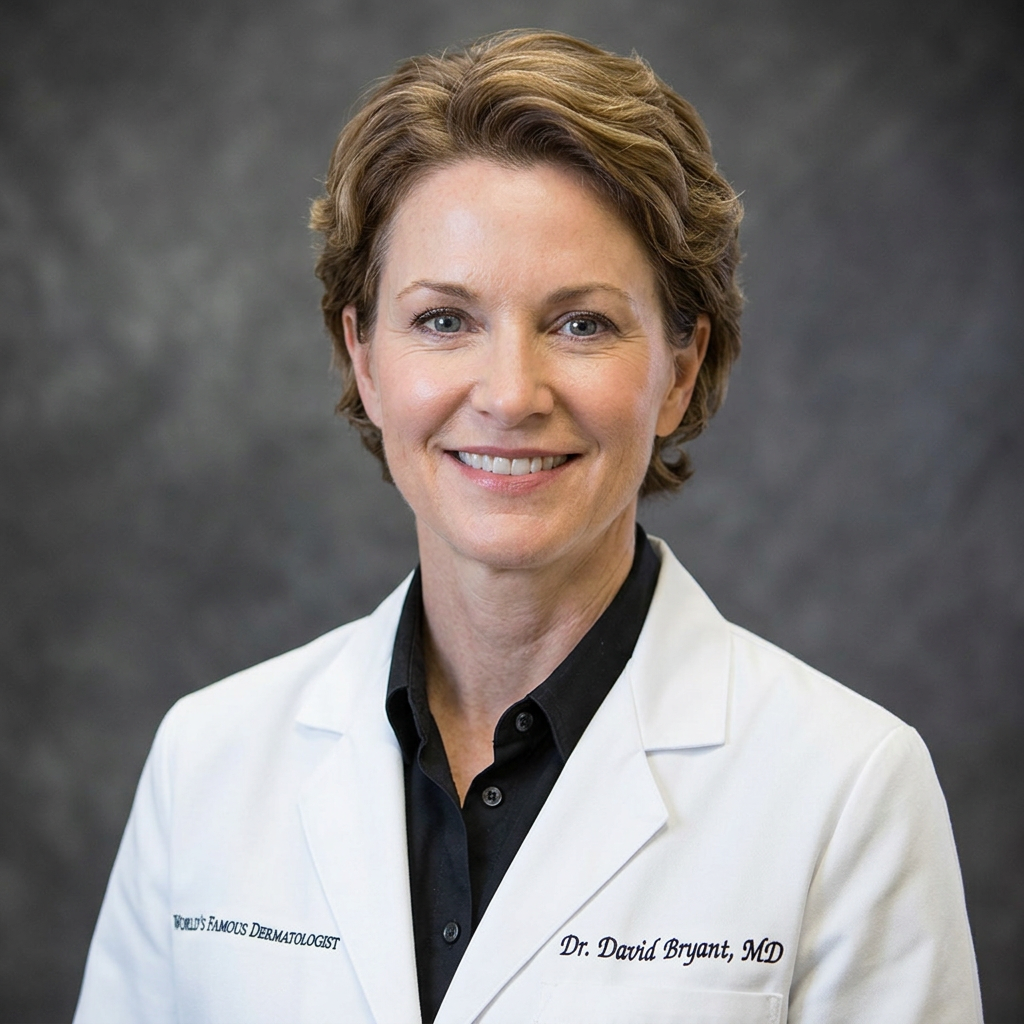
That sentence — “it’s just how my skin is now” — is exactly what Dr. Helen Marsh has spent twenty years trying to get her patients to stop saying.
“People tell me they’ve accepted it,” she says. “They’ve decided this is the trade-off for getting older. So they hide their arms and they stop mentioning it. What almost no one realizes is that the bruising isn’t the problem. It’s a symptom of something physical happening in the skin — and that part is not as fixed as everyone assumes.”

What She Actually Sees Under The Lamp
When a patient with easy bruising sits in her chair, Dr. Marsh turns on a magnifying lamp before she does anything else.
“I’m not looking at the bruise,” she says. “I’m looking at the skin around it. And in nine out of ten of these patients, I’m looking at the same thing.”
Here it is, in plain language.
Healthy skin has a kind of built-in cushion. Layers of structure and padding that sit between the surface of your skin and the tiny blood vessels running just underneath it. When that cushion is thick, those vessels are protected. They can take a normal bump and be fine.
But over time, that cushion thins out.
And when it does, the blood vessels end up sitting right near the surface — with almost nothing between them and the outside world.
And there’s a second half to it, she explains. The same thinning that exposes those vessels also slows down how fast the skin clears a bruise once it forms.
“That’s why they linger,” she says. “The bruise isn’t worse. The skin is just slower to repair it. So a mark that would’ve cleared in a few days now sits there for weeks.”
Thin skin. Exposed vessels. Slow repair. That’s the whole mechanism — and it’s the same picture regardless of what got someone there.

“For Years, There Was Nothing I Could Tell Them To Do”
Here’s the part Dr. Marsh says she found the most frustrating.
“I could explain exactly what was happening. I could show them on the screen. And then they’d ask the obvious question — so what do I do about it? — and for most of my career my honest answer was: be careful.”
Be careful. Wear long sleeves. Try not to bump into things.
“Imagine telling someone to just be careful for the rest of their life,” she says. “That’s not a solution. That’s asking them to manage a problem forever instead of fixing it.”
The issue, she explains, is where the problem lives. It’s not on the surface of the skin. It’s underneath it — in the layers that thinned out. Most things people put on their skin never get there. They sit on top, do very little, and wipe off.
“If you want to change the bruising, you have to change the skin. And to change the skin, you have to actually get below the surface where the cushion was lost. That’s the part almost nothing does.”
The Formula That Changed Her Answer
About a year ago, a colleague handed Dr. Marsh a small dropper bottle and asked her to look at the formula.
“My expectation was low,” she admits. “I’ve read a lot of ingredient lists in twenty years.”
This one was short. Two things. Jojoba seed oil and plum blossom.
“The simplicity is actually the point,” she says. “There’s nothing in there to sit on the surface and make the skin look better for an afternoon. Every part of it is doing one job — getting below the surface and rebuilding the layer that was lost.”
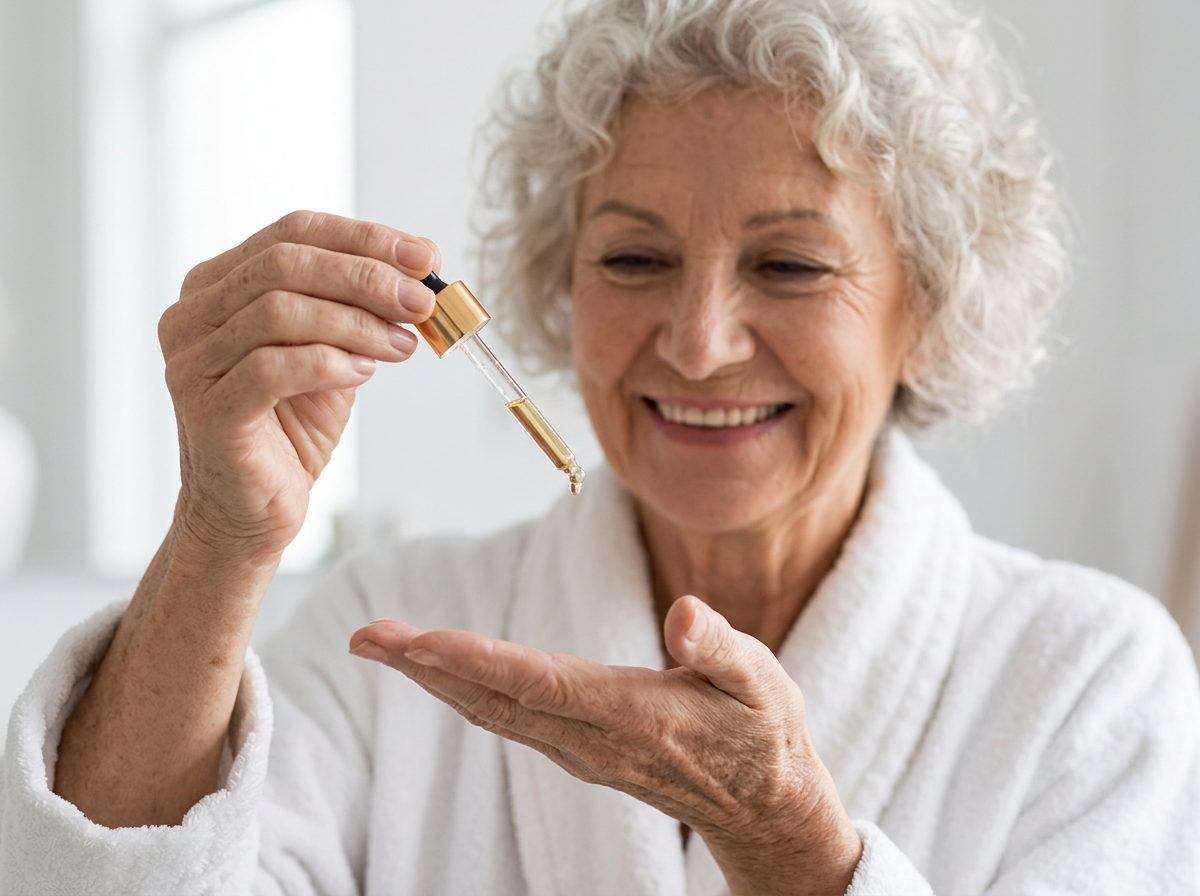
She breaks down how it works in three steps.
How It Works
“That’s the whole thing,” she says. “It’s not covering anything. It’s not numbing anything. It’s rebuilding the part of the skin that thinned out — which is the only thing that actually changes the bruising.”
Then She Started Watching The Speed
Dr. Marsh has recommended a lot of things over twenty years. What she says caught her off guard with this one wasn’t whether it worked. It was how fast the skin responded.
“Skin repair is slow. I know what the normal timeline looks like. I’ve watched it for two decades. So when patients started coming back in a matter of weeks telling me their skin already felt thicker — and I could see fewer new marks — that genuinely surprised me.”
She’s careful about why. “It’s not magic. It’s that almost nothing else was ever working at the right depth in the first place. When something finally reaches the layer where the problem actually is, the skin does what skin does — it rebuilds. We just rarely gave it the chance.”
What Her Patients Are Saying


The Part She Wants People To Hear
“If there’s one thing I’d say to anyone who’s decided this is just their life now,” Dr. Marsh says, “it’s that you decided that based on bad options.”
“You were told to be careful because, for a long time, careful was all anyone could offer. That’s not the same as nothing being possible. It just means the thing that works wasn’t in front of you yet.”
She pauses on this part.
“The skin you have right now is not a verdict. It thinned over time. It can rebuild over time. I’ve watched it happen faster than I thought it could. The only people it never works for are the ones who already told themselves it wouldn’t — and never tried.”
Two ways this goes from here.
One: nothing changes. The arms stay covered. The marks keep showing up from things that shouldn’t leave a mark. The skin keeps thinning, quietly, the way it has been — and a year from now this is exactly the same conversation.
Two: the cushion starts coming back. Fewer marks. Marks that fade in days instead of weeks. Skin that feels thicker and more resilient — and the slow realization that you don’t reach for the long sleeves out of habit anymore.
It goes on the areas that bruise — arms, the backs of the hands, legs, wherever the skin has thinned. A few drops, worked in once a day. Then you leave it alone and let the skin do the rest.
Here’s What To Do Next
- Tap the button below to check availability and current pricing.
- Choose your supply. (More on this below — it matters.)
- Apply a few drops once a day to the areas that bruise — arms, hands, legs — and massage it in.
- Give it time. The skin rebuilds on its own schedule — most people start noticing the difference within a few weeks, with the real change showing up over the following months.
One note on supply. Rebuilding the cushion is a biological process, not a same-day cosmetic trick. The first changes tend to show up within a few weeks, but the real transformation — the “my arms look normal again” stage — builds over the months after that. People serious about actually rebuilding their skin tend to start with the multi-bottle option so they don’t stall halfway through the process. Almost everyone says the same thing afterward: I wish I’d started sooner.
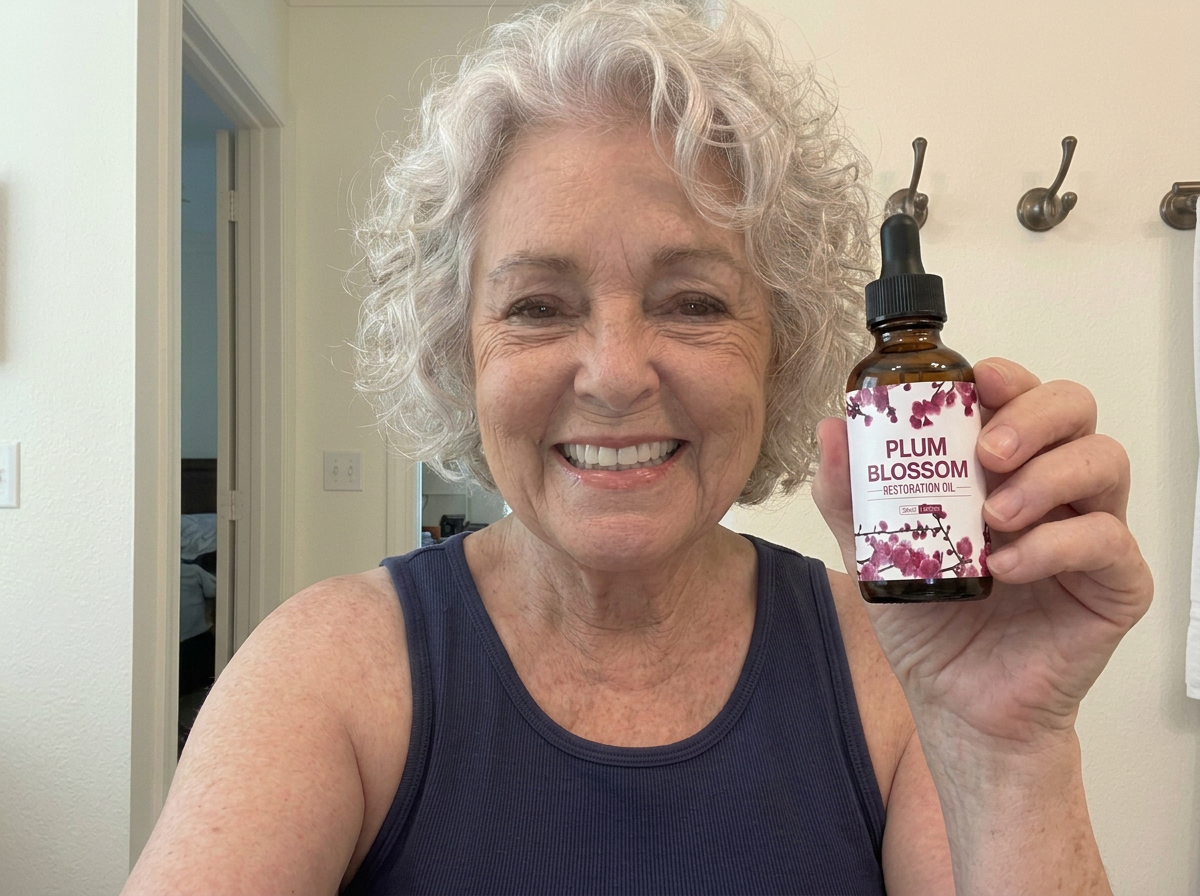
Oela® Plum Blossom Restoration Oil

$200 Today: $90 for two bottles
Free shipping · 30-day money-back guarantee
Apply Discount & Check Availability →The 30-Day “Feel The Difference” Guarantee
The promise is simple. Use it once a day. Give your skin a real chance to rebuild. If you don’t look down at your arms one morning and notice a genuine difference — fewer marks, skin that feels thicker, the kind of change you weren’t sure was still possible — email the support team and say it didn’t work for you.
You get every penny back. No forms. No store credit. No questions. You can keep the bottle.
“Skin that thinned over years can rebuild. I’ve watched it,” Dr. Marsh says. “The only mistake left to make is deciding it can’t — and never finding out.”
Check Availability Now →This is an advertisement, not a news article. Results are not typical and may vary. Testimonials may be fictionalized. All individuals named are fictional characters created for illustrative purposes.
2026 Copyright © Oela · Privacy Policy · Terms Of Service
Comments (213)